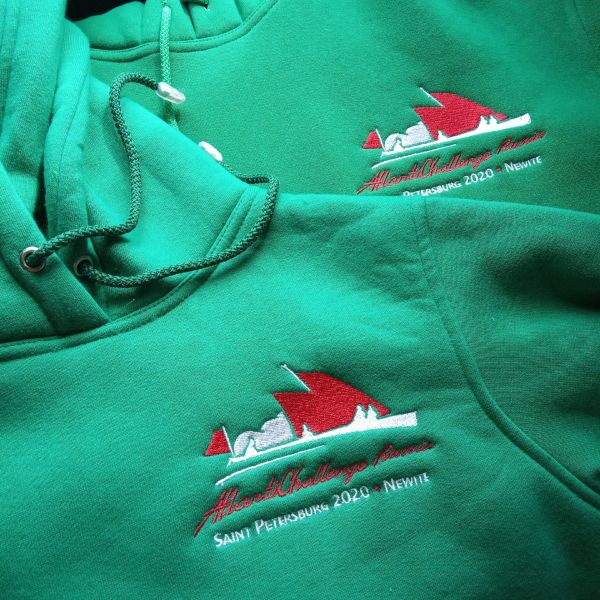
Leavers’ hoodies, graduation polos, year-mark t-shirts. Across Europe, year groups spend somewhere between €30 and €80 per pupil on commemorative wear marking the end of a school year. Most of it follows a depressing pattern — worn for the photo, worn for a few weeks of summer, then folded into a drawer and eventually thrown out within two years.
There’s a better way to do this, and it doesn’t cost more.
What makes graduation merch wasteful
The fast-fashion approach to leavers’ merch optimises for low unit cost and short turnaround. Garments are produced in Bangladesh or China from low-grade cotton blends, printed with vinyl transfers or low-quality DTG print, shipped quickly, and worn briefly before degrading. The print cracks within 20 washes. The fabric thins after a season. The garment ends up in landfill or downstream textile waste streams within 18 months.
This isn’t inevitable. It’s a supplier choice.
What sustainable graduation merch looks like
A leavers’ hoodie that survives ten years exists. The recipe isn’t secret. It uses:
- Heavyweight cotton or cotton-blend fabric — 280-320 GSM minimum, not the 180 GSM lightweight common in fast-fashion graduation orders
- Embroidered identity rather than printed — embroidery survives indefinitely. Vinyl and DTG prints crack within 50 washes
- EU production rather than Asia-imported — shorter supply chain, traceable labour standards, easier returns
- OEKO-TEX certified materials — verified absence of harmful chemicals, longer fabric life
The cost difference between sustainable and fast-fashion leavers’ merch is typically €5-15 per garment. For a year group of 30 pupils ordering hoodies, that’s €150-450 total across the programme. Most parent committees absorb this without complaint when they understand what they’re paying for.
What to ask your graduation merch supplier
Three specific questions reveal whether your supplier is doing the right thing:
Where is this hoodie produced? Acceptable answer: a named EU country, named producer. Unacceptable: “We have producers in Asia” or vague generalities.
What’s the fabric weight and composition? Acceptable: specific GSM number, specific fibre content (e.g. “320 GSM, 80% cotton 20% recycled polyester”). Unacceptable: “Premium cotton blend.”
Embroidered or printed? Embroidery is the answer if you want the hoodie to survive past three washes with the print intact. For complex designs that can’t be embroidered cleanly, sublimation print on the right fabric (polyester-blend) can also last years — but vinyl transfers and standard DTG print will not.
Reframing the conversation
Graduation merch is a memory object. The hoodie a pupil wears in their Year 6 photo is supposed to be the thing they pull out of a wardrobe at 25 and remember the moment. Fast-fashion graduation merchandise can’t do this — it’s gone within two years.
The schools and parent committees making the shift to sustainable leavers’ merch aren’t paying more for ethics. They’re paying for a product that fulfils its actual purpose. Memory objects need to last.
Talk to your supplier about EU-produced, embroidered, OEKO-TEX certified leavers’ merchandise. The conversation is short and the difference is real.